


Growing peonies in your garden: Part 1 (Planting)
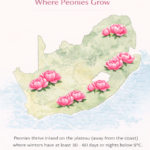
Growing Peonies in South Africa

Once your peony has bloomed, your work has only just begun! Read on for the 6 top tips to nurturing and supporting your peony plants as they grow, so you can enjoy them for years to come. If you haven’t already, make sure you’ve first read part 1 of our peony planting guide.
- Support: Peonies produce large and heavy blooms, so some varieties of peonies may require support to prevent them from drooping. Install peony rings or stakes around the plants early in the growing season (spring) to provide support as your plants grow. As a general rule, you should start growing peonies without using supports, unless you’ve been directed to do so for that specific variety.
- Fertilising: In early spring, apply a balanced fertiliser specifically formulated for flowering plants or with a high N (nitrogen) count (compared to the P (phosphorous) and K (potassium) which some vegetable fertilisers have). Follow the instructions on the packaging for proper application rates and avoid over-fertilising, as it can lead to weak stems and fewer peony blooms.
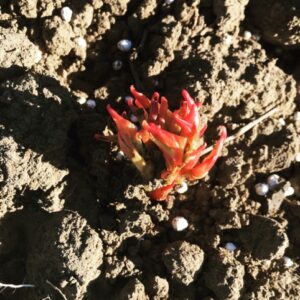
- Maintenance: Peonies are generally low-maintenance perennial plants. Remove any spent flowers to encourage more blooms and prevent seed production. In late autumn, after the foliage has turned brown, cut it back to ground level and dispose of it to reduce the risk of fungus. Your peony plant is not dead – it’s just producing new eyes in the cold months and will sprout up and look like asparagus in the early spring.

- Pests and diseases: Peonies are relatively resistant to pests and diseases but keep an eye out for common issues such as powdery mildew or botrytis blight. If necessary, treat your peony plants with appropriate fungicides bi-weekly for a month or two or contact us with pictures of the issue to get guidance. Ants love the sugar syrup that is released from the ripening buds and these little creatures are not an issue, so let them be. We never encourage spraying any pesticide in your garden when growing peonies or any other plants – rather we suggest that you leave the natural ecosystem in place.
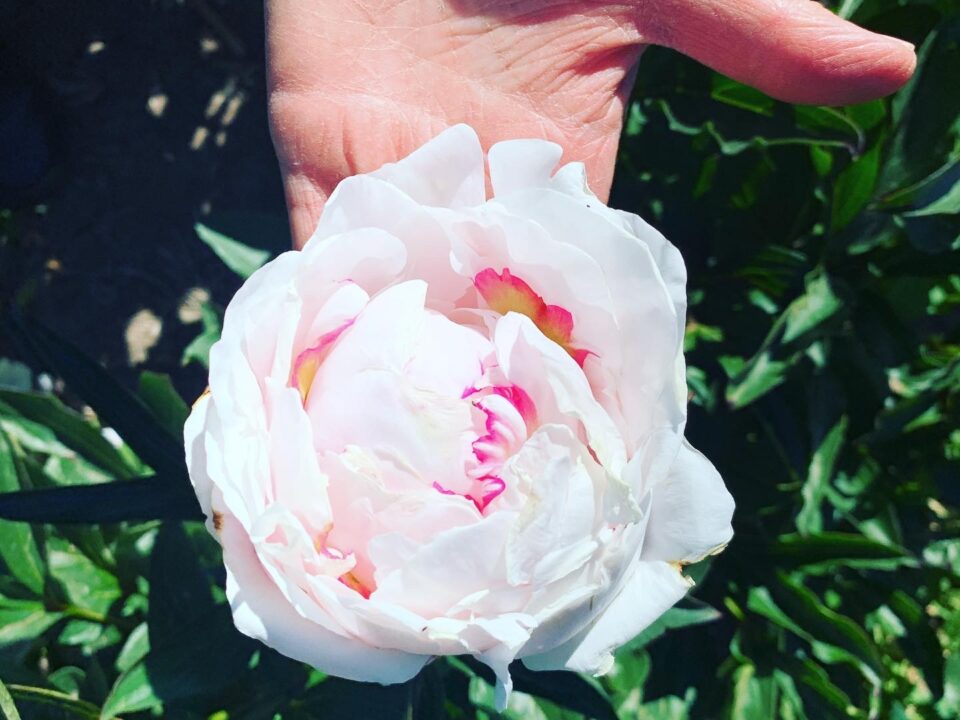
- Picking and patience: Your first-year peony plant needs to be limited in that you only want it to give you 1-2 flowers in spring. The challenge is if you get more buds, you should take them off just below the base of the bud. While this may feel difficult, we promise that it is worth it in the long run. Once your saved bud or two open, you again have to make a first-year sacrifice. Cut off the beautiful open bloom just below the base or take just one leaf with it. Put this in a shallow dish to provide you with delight in in your home.


- Use foliage saving techniques to encourage better root growth and give you a stronger and more prolific flowering plant in the years to come. Mature peony plants, which take 3 years, will give you just 1 flower per eye on the root. Each year the number of eyes comes close to doubling (the most buds I have counted on a mature plant that was older than 5 years was 27 buds). Once your plant has flowered, cut off and dead the heads. Some peony varieties produce side buds, and you can also remove these if you want to encourage bigger flower heads.
By following these steps and providing proper care to your plants, you can enjoy these beautiful blooms of peonies, in your garden and your home. Got a question about any of these tips for growing peonies? Please get in touch with me.





2 Comments
hello
I am trying [peonies in CT, at the moment it is about 40cm high and dormant, when do i start feeding it?
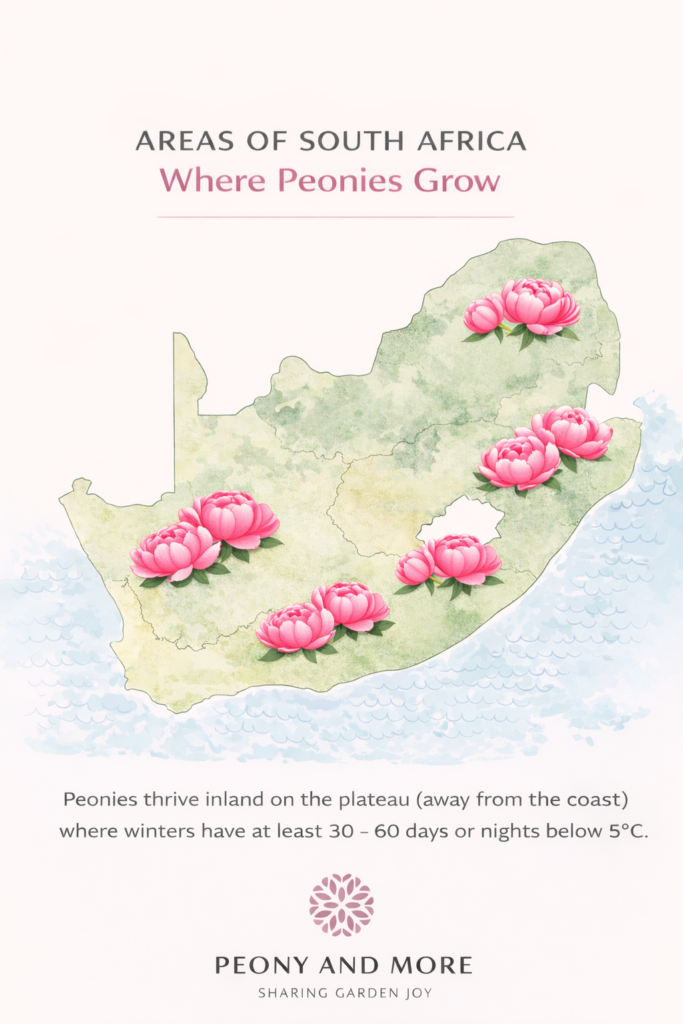
You can feed it in the Spring when the new shoots come up. CT is not cold enough so you might not get any flowers.